Hospitals are expanding programmes, clinicians are building expertise, and patients increasingly expect access to minimally invasive, technology-enabled care.
On the surface, the trajectory is clear, but beneath it sits a more complex reality.
Robotics is not just a technology shift. It is an infrastructure challenge.
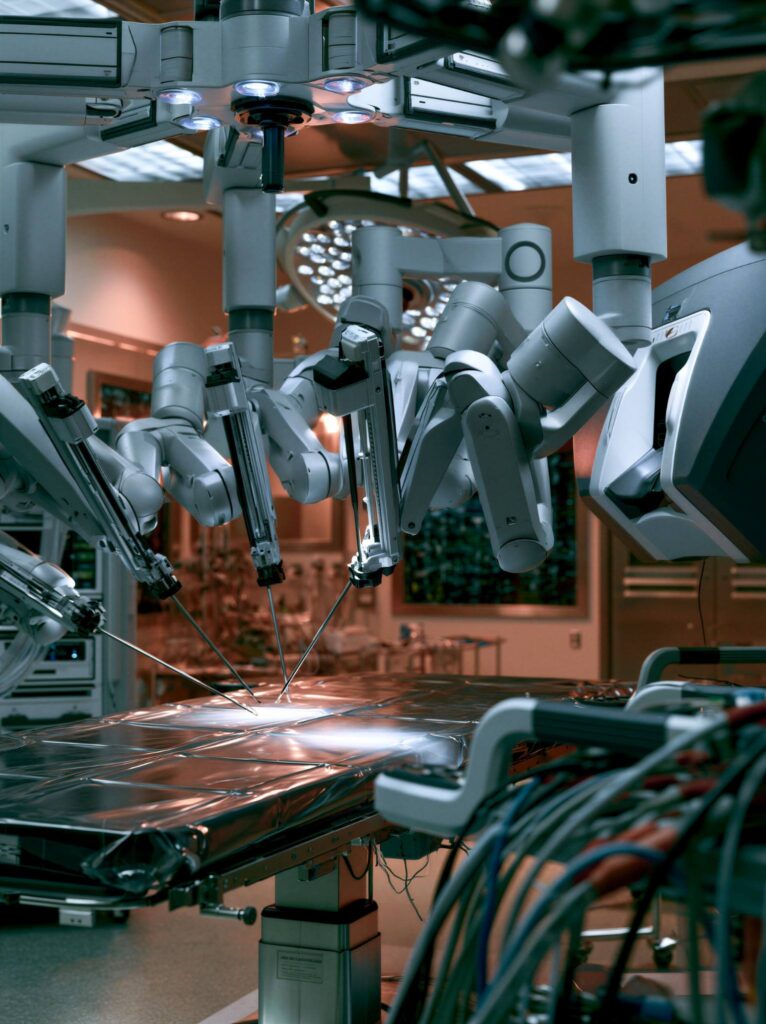
Robotic-assisted surgery places new demands on the built environment.
Larger rooms, more complex engineering systems, greater digital integration and more sophisticated clinical flows are all required to support effective use.
Many healthcare facilities were not designed with these needs in mind.
This creates a gap between what systems want to deliver and what their infrastructure can support.
Without the right environment:
In some cases, robotics is introduced but not fully optimised. In others, adoption is delayed altogether.
The challenge is not simply recognising the need for change. It is delivering that change at pace, within live healthcare environments, and often within constrained capital frameworks.
This is where the conversation is shifting.
Modern Methods of Construction are increasingly part of the solution.
Not because they are new, but because they align with the scale and nature of the challenge.
Standardisation, reduced disruption and faster delivery all support the need to modernise infrastructure while maintaining clinical activity.
The next phase of robotics adoption in Europe will not be defined by technology alone.
It will be defined by how effectively healthcare systems can align infrastructure with ambition.
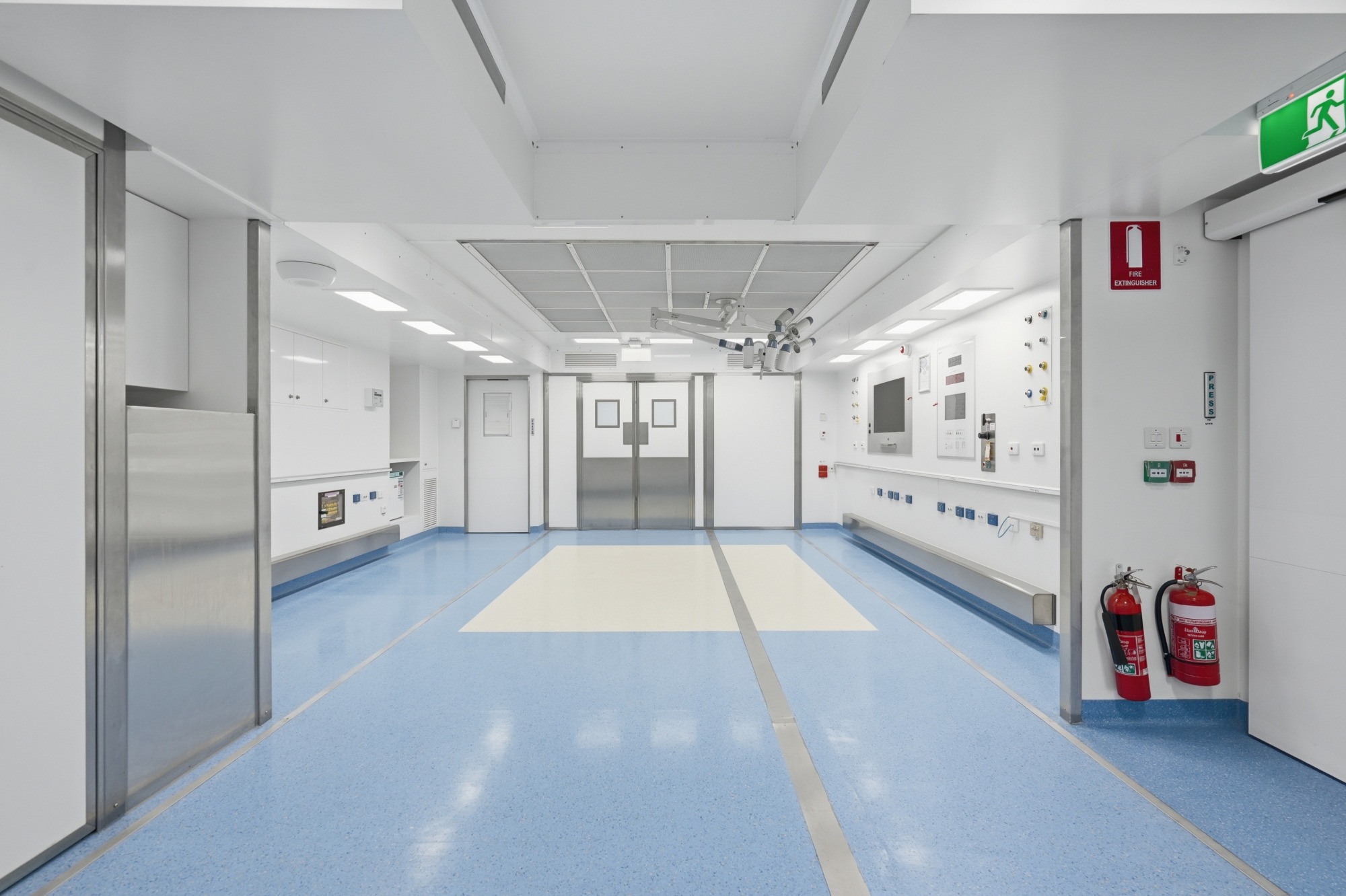
That requires a more integrated approach to planning, and a clearer understanding of what “robotics-ready” really means.
Download the full insight paper to explore the detail


Q-bital Healthcare Solutions
Unit 1144 Regent Court, The Square, Gloucester Business Park, Gloucester, GL3 4AD